Concrete vs. Pavers: Understanding Your Boise Driveway Options
When it comes to upgrading your outdoor space in Boise, the decision between concrete and pavers is one of the most important choices you'll make. Both materials have earned their place in residential landscaping, but they offer distinctly different benefits, drawbacks, and aesthetic qualities. Whether you're planning a new driveway, patio, or walkway, understanding the differences between these two popular options will help you make an informed decision that aligns with your budget, lifestyle, and long-term maintenance preferences.
The choice between concrete and pavers isn't simply about picking the cheaper or more attractive option. It's about understanding how each material performs in Boise's specific climate, how much time and money you're willing to invest in maintenance, and what kind of visual impact you want your home to have. This guide will walk you through the key considerations so you can confidently decide which option is right for your property.
Durability and Longevity: How Concrete and Pavers Stand Up Over Time
Concrete Driveways are known for their impressive longevity when properly installed and maintained. A well-constructed concrete surface can last 25 to 30 years or even longer, making it one of the most durable options available for residential applications. Concrete's strength comes from its monolithic construction, which creates a solid, unified surface that resists heavy loads and everyday wear. However, concrete is susceptible to cracking, especially in regions that experience freeze-thaw cycles like Boise does during winter months.
Pavers, on the other hand, offer a different kind of durability. Individual paver stones typically last 25 years or more, but the overall system's lifespan depends heavily on the base preparation and joint maintenance. The beauty of pavers is that if one stone becomes damaged, you can replace just that single unit without affecting the rest of the surface. Concrete, by contrast, requires more extensive repairs if cracking occurs. Both materials can withstand freeze-thaw stress, but pavers have a slight advantage because their individual units can shift slightly without compromising the entire installation, whereas concrete's rigid structure can crack under pressure from expanding ice.
Maintenance Requirements: Concrete vs. Pavers in Boise's Climate
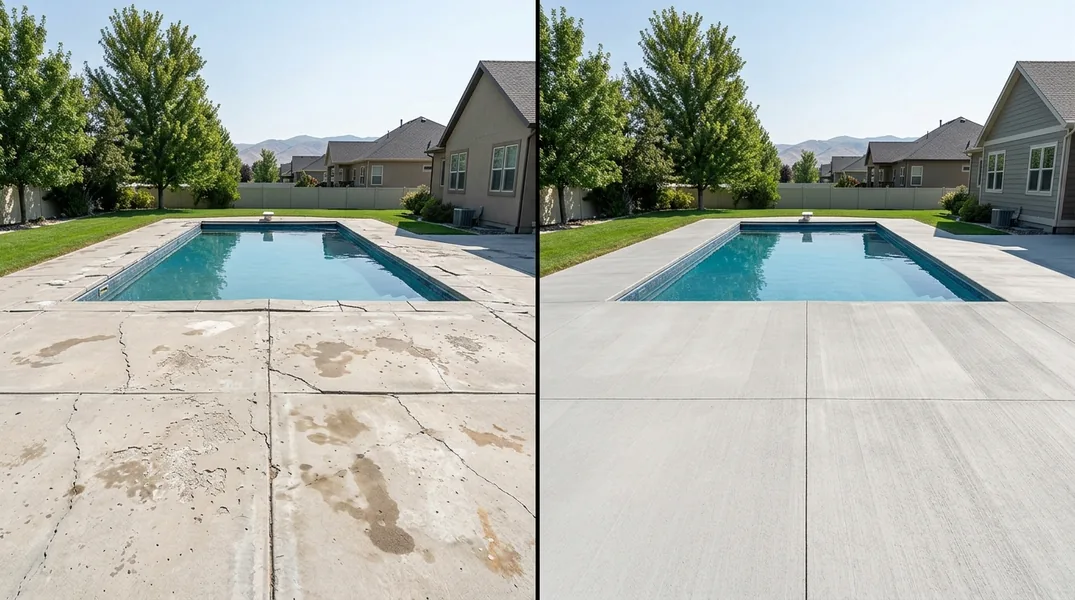
Maintenance is where concrete and pavers diverge significantly. Concrete Driveways require relatively minimal maintenance in their early years. Periodic sweeping, occasional pressure washing, and applying a sealant every few years will keep your concrete looking good and protect it from moisture penetration and salt damage. However, if cracks do develop, they need prompt attention to prevent water from seeping underneath and causing further damage. This is why many homeowners eventually need Concrete Repair & Resurfacing services as their driveways age.
Pavers demand more consistent upkeep, but in a way that many homeowners find manageable and even enjoyable. You'll need to sweep regularly, wash the surface periodically, and most importantly, maintain the sand or polymeric sand in the joints between stones. Over time, this jointing material can wash away, especially after heavy rain or snow melt, requiring periodic replenishment. Weeds can also grow between pavers if the joints aren't properly sealed. While this ongoing maintenance might sound like a burden, many homeowners appreciate that paver maintenance is straightforward and doesn't require specialized equipment or expertise. Additionally, if you notice settling or shifting, individual pavers can be lifted and releveled without disturbing the surrounding area.
Cost Comparison: Concrete Driveways and Paver Installation in Idaho
When evaluating pricing for your driveway or patio project, concrete typically offers a lower upfront cost. Standard concrete installation in Idaho generally ranges from $4 to $8 per square foot, depending on site preparation, finishing options, and local labor rates. This makes concrete an attractive option for homeowners working with a tight budget or those looking to maximize square footage coverage. If you're interested in enhanced aesthetics, Stamped & Decorative Concrete options will increase the cost but still remain competitive with paver pricing.
Paver installation typically costs between $8 and $15 per square foot, reflecting the higher material costs and the more labor-intensive installation process. However, this higher initial investment often translates to lower lifetime costs when you factor in durability and selective replacement capabilities. Because individual pavers can be replaced without disturbing the entire surface, you're not forced into expensive full-scale resurfacing projects. Additionally, the aesthetic versatility of pavers often means homeowners feel the premium cost is justified by the finished appearance. For Concrete Patios and decorative applications, pavers can provide superior design flexibility compared to standard concrete.
Aesthetic Appeal and Design Flexibility for Your Boise Home
Aesthetically, pavers win on variety and customization. They come in numerous shapes, sizes, colors, and materials (clay, stone, permeable, recycled), allowing you to create intricate patterns, borders, and designs that truly reflect your personal style. Whether you want a rustic, Mediterranean, contemporary, or traditional look, pavers offer nearly limitless design possibilities. This flexibility makes pavers especially popular for homeowners who view their outdoor space as an extension of their home's character and want a distinctive appearance that stands out in their neighborhood.
Concrete, while often perceived as utilitarian, has evolved significantly in design options. Stamped & Decorative Concrete can mimic the appearance of pavers, stone, brick, or tile, and can be tinted in virtually any color. Polished concrete, exposed aggregate finishes, and scoring techniques add visual interest without the high cost of true pavers. For homeowners who want the look of stone or brick but prefer the durability and lower maintenance of concrete, decorative concrete options provide an excellent middle ground. Standard gray concrete, however, remains a more basic aesthetic choice that may not appeal to those prioritizing curb appeal.
Which Option Should You Choose? Making Your Final Decision
Your choice between concrete and pavers should ultimately reflect your priorities. If budget is your primary concern, concrete offers excellent value and reliability. If you prioritize low maintenance and a clean, modern appearance, concrete is your answer. If you're willing to invest more upfront for superior aesthetics, design flexibility, and the ability to replace individual elements without full-scale resurfacing, pavers are worth the investment. Consider your climate, your home's architectural style, how long you plan to stay in your home, and how much time you're willing to dedicate to maintenance.
The team at Boise Concrete understands that every homeowner's needs are unique. Whether you're leaning toward concrete or pavers, we're here to help you explore your options and find the perfect solution for your property. We recommend scheduling a free estimate with our experienced team so we can assess your specific situation, discuss your preferences, and provide professional recommendations tailored to your needs. You can reach us at (208) 279-7695 to get started. Let's create an outdoor space you'll love for decades to come.
Looking for a professional tree service in Boise? Boise Concrete responds fast for all your concrete needs.
Get a Free QuoteOur services: Concrete Driveways · Concrete Patios · Stamped & Decorative Concrete