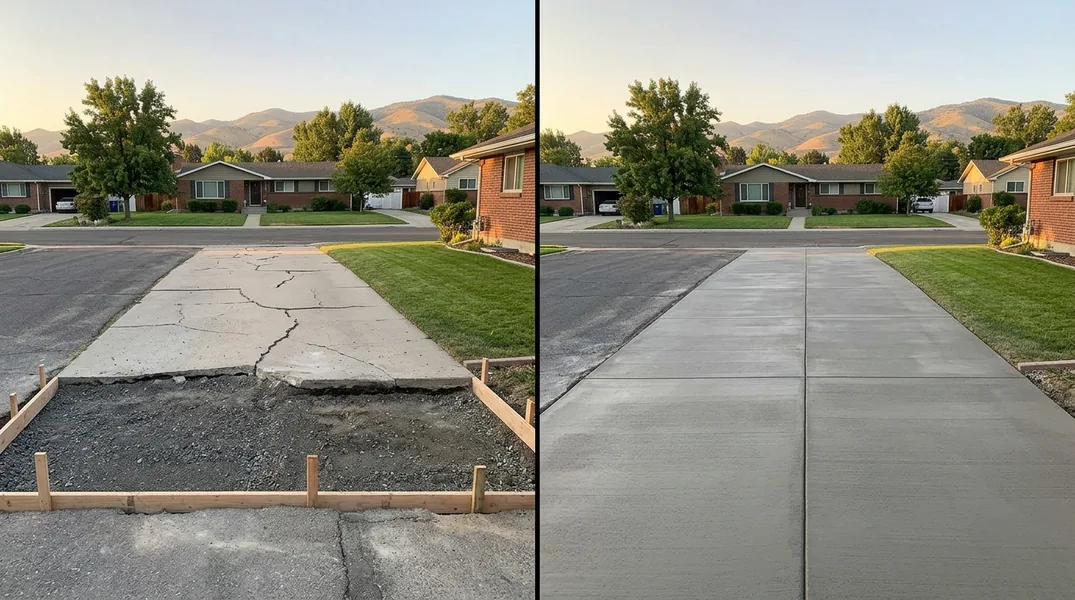
Why Timing Matters for Concrete Pouring in Idaho
If you're planning a Concrete Driveways project or any other concrete work in Boise, timing isn't just a scheduling convenience, it's a critical factor in the success and longevity of your investment. Concrete is a living material during its curing process, and environmental conditions play a huge role in how well it sets, hardens, and performs over the years. Pour concrete at the wrong time of year, and you risk compromised durability, surface cracking, and premature deterioration. Get the timing right, and your concrete will serve you reliably for decades.
Idaho's climate presents unique challenges that many homeowners don't consider when planning their concrete projects. The state experiences dramatic temperature swings between seasons, freeze-thaw cycles during winter, and intense heat during summer months. Each of these conditions affects how concrete cures and behaves. A professional Boise concrete contractor understands these nuances and can advise you on the optimal window for your specific project, whether it's a new driveway, Concrete Patios, or Stamped & Decorative Concrete work.
Spring: The Ideal Season for Concrete Pouring
Spring, particularly late April through May, is widely considered the best time to pour concrete in Boise and across Idaho. During these months, daytime temperatures typically range from the mid-50s to low 70s Fahrenheit, which creates nearly perfect conditions for concrete curing. The weather is mild and stable, meaning fewer extreme temperature fluctuations that can cause stress on freshly poured concrete. Nighttime temperatures remain cool but not freezing, allowing the concrete to cure gradually and evenly without the shock of sudden cold snaps.
Spring also offers another significant advantage: moderate moisture levels. Unlike the dry heat of summer or the wet conditions of early spring, late spring provides a balanced environment where concrete can cure without losing moisture too quickly through evaporation. Rapid evaporation can cause surface cracking and uneven curing, which compromises the structural integrity of your driveway or patio. Additionally, spring typically brings less intense UV exposure than summer, which helps prevent premature drying and surface damage. If you're considering a concrete project for your home, scheduling it for late spring gives you the best chance of a successful outcome with minimal complications.
Concrete Curing Summer Heat: Why Late Summer Can Be Problematic
While summer might seem like an obvious choice for outdoor construction work, the intense heat of July and August actually presents serious challenges for concrete curing. When temperatures soar above 85 degrees Fahrenheit, concrete cures too quickly, which sounds beneficial but is actually harmful. Rapid curing causes the outer layer of concrete to harden faster than the interior, creating internal stress and leading to surface cracking, scaling, and reduced durability. The extreme heat can also cause the concrete to lose moisture too rapidly, preventing proper hydration of the cement and weakening the overall structure.
High summer temperatures also increase the risk of thermal cracking, where the concrete expands unevenly due to heat stress. This is particularly problematic for large surface areas like Concrete Driveways, where the sun beats down relentlessly throughout the day. If you must schedule concrete work during summer, early morning pours followed by shade coverage and careful moisture management become essential. However, most experienced contractors recommend avoiding peak summer heat whenever possible. If you're planning a project and summer is your only option, contact Boise Concrete at (208) 279-7695 to discuss specialized techniques and pricing adjustments that may apply.
Fall: A Secondary Option with Important Considerations
Early fall, particularly September and early October, can work as a secondary window for concrete pouring in Idaho. During this period, temperatures begin to cool from summer extremes, typically ranging from the 60s to low 80s Fahrenheit. The weather is generally stable, and you avoid the intense heat that causes rapid curing problems. However, fall does come with its own set of considerations that make it less ideal than spring. As the season progresses, nighttime temperatures drop more significantly, and the risk of early frost increases, particularly as you move into October and November.
If you choose to pour concrete in fall, timing becomes even more critical. You need to ensure the concrete has adequate time to cure and reach sufficient strength before the first hard freeze arrives. Concrete that hasn't fully cured when temperatures drop below freezing can suffer from freeze-thaw damage, where water trapped in the pores expands and causes cracking and deterioration. Generally, concrete needs at least seven days of mild temperatures to reach a point where it can withstand freezing conditions. If you're considering fall for your project, discuss specific timing with a professional contractor who understands the local weather patterns and can monitor forecasts closely.
Winter: Why You Should Avoid Pouring Concrete
Winter is the worst time to pour concrete in Idaho, and most reputable contractors will strongly advise against scheduling any concrete work during these months. From December through February, temperatures frequently drop below 40 degrees Fahrenheit, and freezing temperatures are common. Concrete requires warm conditions to cure properly. When temperatures are too cold, the hydration process that allows cement to bond slows dramatically or stops entirely, resulting in weak, crumbly concrete that fails prematurely. Additionally, if moisture in freshly poured concrete freezes before the concrete has cured, it can cause severe damage including cracking, spalling, and complete failure of the structure.
Winter precipitation also complicates the process. Snow and ice make it difficult to prepare the base properly, and excess moisture can interfere with the curing process. While specialized techniques like heated enclosures and accelerated concrete mixes can allow winter pouring in emergency situations, these methods are expensive and still carry significant risks. For homeowners in Boise planning Concrete Repair & Resurfacing or new installations, winter should be avoided entirely. If you have an urgent concrete need during cold months, reach out to Boise Concrete at (208) 279-7695 to explore whether your situation warrants special handling.
Planning Your Concrete Project: Getting a Free Estimate
The best approach to scheduling your concrete work is to plan ahead and contact a professional contractor well in advance. By reaching out to Boise Concrete early, you can discuss your project timeline, understand the optimal window for your specific needs, and secure a spot on the schedule during ideal conditions. Whether you're planning Concrete Driveways, Concrete Patios, or decorative work, the team can provide guidance tailored to your project and local weather patterns.
Getting a free estimate is the perfect first step. During this consultation, you can ask questions about the best timing for your project, understand what conditions will affect your pricing, and learn about any seasonal factors specific to your location. Boise Concrete serves the Boise area and understands the local climate intimately. Call (208) 279-7695 today to discuss your concrete project and schedule your consultation. By planning strategically and working with experienced professionals, you'll ensure your concrete investment stands the test of time and Idaho's challenging weather conditions.
Looking for a professional tree service in Boise? Boise Concrete responds fast for all your concrete needs.
Get a Free QuoteOur services: Concrete Driveways · Concrete Patios · Stamped & Decorative Concrete